
The Part You Never Think About — Until It Breaks
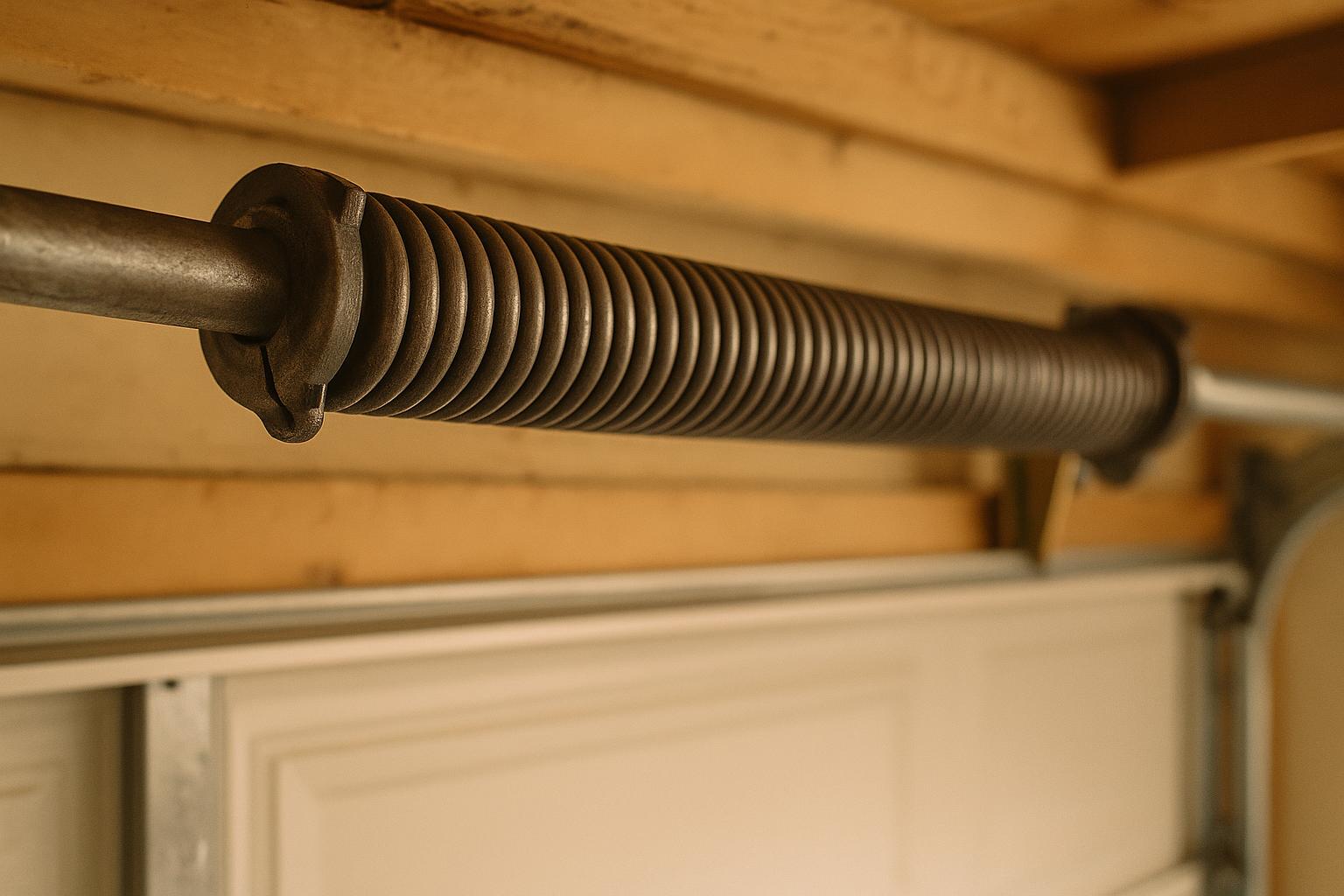
Your garage door is probably the largest moving component of your home, and it goes up and down multiple times a day without you giving it a second thought. Behind that effortless motion, though, is a set of tightly wound springs doing the heavy lifting — literally. These springs counterbalance the weight of the door so your opener doesn't have to muscle hundreds of pounds on its own.
For homeowners in Grapevine and the surrounding communities, garage door springs are one of those out-of-sight, out-of-mind components. But when they wear out or snap, you'll know it immediately. The door may refuse to open, slam shut unexpectedly, or make alarming sounds that send you running to your phone to search for help.
So how often should you actually replace your garage door springs, and how do you know when they're on their way out? Let's break it down.
How Long Do Garage Door Springs Last?
The lifespan of a garage door spring is measured in cycles, not years. One cycle equals one full open-and-close of the door. Most standard torsion springs are rated for approximately 10,000 cycles, which translates to roughly 7 to 10 years for the average household that opens and closes the garage door about three to four times per day.
However, several factors can shorten or extend that lifespan:
- Frequency of use: If your garage door is your primary entry point — which is the case for many families in Grapevine, Colleyville, and Southlake — you may be racking up five or six cycles per day, pushing those springs to their limit faster.
- Climate and humidity: North Texas weather can be tough on metal components. Heat expansion in summer and contraction in winter create additional stress on springs over time.
- Maintenance habits: Springs that are regularly lubricated and inspected tend to last longer than those that are neglected.
- Spring quality: Not all springs are created equal. Higher-cycle springs (rated for 20,000 or even 25,000 cycles) are available and can significantly extend the time between replacements.
Warning Signs Your Springs Are Wearing Out
Springs rarely fail without giving you some advance notice. Here are the most common signs that your garage door springs are nearing the end of their life:
1. The Door Feels Heavier Than Usual
Try disconnecting your opener and lifting the door manually. A properly balanced door with healthy springs should lift with minimal effort and stay in place when you let go about halfway up. If the door feels heavy or slides back down, the springs are losing tension.
2. Visible Gaps in the Spring Coils
Take a look at the torsion spring above your door. When a spring is in good condition, the coils are tightly wound together. As it wears, you may notice gaps forming between the coils, which indicates the spring is stretching and weakening.
3. The Door Opens Unevenly
If one side of your door lifts higher than the other, or the door appears crooked during operation, one of your springs may be weaker than the other. This is especially common in two-spring systems where one spring wears faster.
4. Loud Bang From the Garage
If you hear a loud, startling bang coming from your garage — almost like a firecracker — that's often the sound of a spring snapping. After a spring breaks, the door will typically be too heavy for the opener to lift on its own.
5. The Opener Struggles or Strains
When springs lose their counterbalancing force, your garage door opener has to work much harder. You might notice the motor straining, the door opening more slowly, or the opener stopping partway through the cycle. Continuing to use a struggling opener can burn out the motor prematurely.
Should You Replace Springs Before They Break?
Absolutely. Proactive replacement is safer, less stressful, and often less expensive than emergency service after a spring snaps. A broken spring can leave your car trapped in the garage, your home less secure, and — in rare but serious cases — cause injury or property damage.
If your springs are approaching the 7-to-10-year mark, or if you're noticing any of the warning signs above, it's worth having a professional take a look. At Grapevine Door & Opener, we inspect spring condition as part of every service call and can let you know exactly where your springs stand.
Can You Replace Garage Door Springs Yourself?
This is one of the most common questions we hear, and our answer is always the same: spring replacement is not a DIY job. Garage door springs are under extreme tension — a standard torsion spring for a two-car door can hold the equivalent of several hundred pounds of force. If a spring slips or a tool is mishandled during the winding process, the results can be catastrophic.
Every year, emergency rooms across the country treat injuries caused by DIY garage door spring repairs. Professional technicians have the specialized tools, training, and experience to replace springs safely. It's one of those jobs where the risk simply isn't worth the savings.
One Spring or Both? The Case for Replacing in Pairs
If your garage door has two torsion springs and one breaks, we strongly recommend replacing both at the same time. Here's why:
- They've aged together. If one spring has reached the end of its cycle life, the other is almost certainly close behind. Replacing just one means you'll likely be calling for service again within months.
- Balanced performance. A new spring paired with an old, weakened spring creates an imbalance that puts uneven stress on the door, the tracks, and the opener.
- Cost efficiency. The labor involved in replacing one spring versus two is nearly identical. Replacing both during the same visit saves you a second service call fee.
How to Extend the Life of Your Springs
While springs are a wear-and-tear component that will eventually need replacement no matter what, you can get the most out of them with a few simple habits:
- Lubricate twice a year. Apply a silicone-based or white lithium spray to the springs every six months. This reduces friction and helps prevent rust, which is especially important given the humidity we experience here in the Grapevine area.
- Schedule annual maintenance. A professional tune-up includes spring inspection, balance testing, and adjustments that can catch problems early.
- Upgrade to high-cycle springs. When it is time for replacement, ask about springs rated for 20,000 or 25,000 cycles. The upfront cost is slightly higher, but the extended lifespan more than pays for itself.
- Minimize unnecessary cycles. If your kids have a habit of opening and closing the garage door for fun, that's adding wear. Every cycle counts.
When to Call a Professional
If you're experiencing any of the warning signs we've described — a heavy door, visible gaps in the coils, uneven operation, or a struggling opener — don't wait for a complete failure. A broken spring always happens at the worst possible time, whether that's a Monday morning when you need to get to work or during a holiday weekend.
Grapevine Door & Opener provides spring replacement and inspection services throughout Grapevine, Colleyville, Southlake, Euless, Bedford, and Hurst. We carry a range of spring sizes on our trucks so most replacements can be completed in a single visit. And because we're local, we understand the specific demands that North Texas weather puts on your garage door system.
If it's been a while since anyone looked at your springs — or if you can't remember the last time they were replaced — give us a call. A quick inspection today can save you from an unexpected breakdown tomorrow.